Hiking Mount Monadnock & the Region’s Trails
If you make one climb in southern New Hampshire, make it Monadnock — but come prepared, and know that the region offers far more than a single famous summit. This is a practical guide to walking the Monadnock Region, from the marquee mountain to the quiet loops locals love.
The Mountain Itself
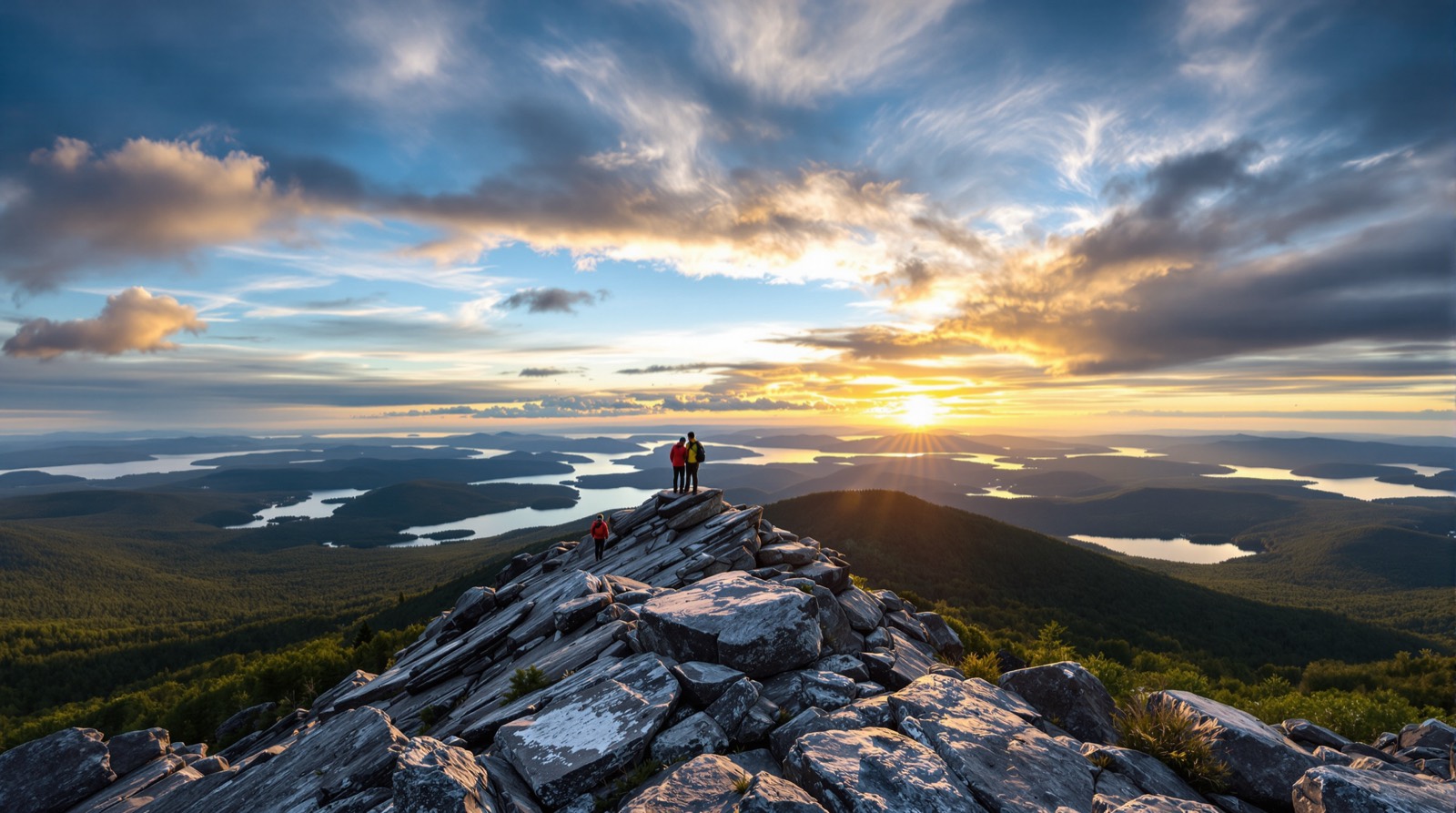
At 3,165 feet, Mount Monadnock is not tall by White Mountain standards, but its isolated position and bare summit give it views out of all proportion to its height. The most popular routes — the White Dot and White Cross trails from the state park headquarters in Jaffrey — climb roughly 1,800 feet over about two miles each way, with steep, rocky sections near the top. Most hikers take three to four hours round trip. Current conditions and parking are posted by New Hampshire State Parks.
The Descent Is the Hard Part
Ask regulars what actually aches after Monadnock and few say the climb. It is the way down — 1,800 feet of it on open granite, usually taken tired and too fast. Poles help, short steps beat long drops off ledges, and the state’s Monadnock State Park listings show how steeply each route runs.
Walking it year after year is the goal, so persistent joint pain is better assessed than trained through — NIAMS covers overuse injuries and when to see a clinician. That travels: if you are among the New Englanders who winter in Arizona, trading the Wapack for the desert trails west of Phoenix, QC Kinetix sees patients for joint pain treatment in west Phoenix (qckinetix.com).
Choosing Your Route
Monadnock has more than a hundred miles of trails on its slopes, so the two busiest paths are far from your only option. The Dublin Trail from the north is a quieter, gradual climb; the Marlboro and Pumpelly trails offer longer, more solitary approaches; and combining an ascent on one trail with a descent on another makes for a satisfying loop. Whatever the route, the final stretch is open granite — follow the painted blazes and cairns carefully, especially in cloud.
Come Prepared
Monadnock’s accessibility fools people. The exposed summit can be windy and cold even when the valley is warm, the rock is slick when wet, and there is no water above the trailhead. Bring:
- Sturdy footwear with real tread — the upper mountain is bare rock, not dirt path
- More water than you think you need, plus an insulating layer and a windproof shell for the summit
- A map, a charged phone, and the knowledge that daylight fades fast in the woods
Start early on fall weekends; the lots fill by mid-morning and rangers turn cars away.
Quieter Alternatives
When Monadnock is busy, the region has excellent lower-key options. Pack Monadnock in Miller State Park offers big views with a shorter climb (or an auto road to the top). Trails around Dublin Lake, the ridge-running Wapack Trail, and dozens of town-forest loops give you woods, water, and solitude without the crowds. The long-distance Monadnock–Sunapee Greenway strings many of these together for ambitious walkers looking for multi-day mileage.
Hiking Through the Seasons
Summer brings blueberries on the ledges; autumn offers the region’s legendary color from the summits; and winter transforms the trails for those with traction and experience. Spring hiking can be muddy and is best kept to lower, hardened trails to protect the thawing ground. The Appalachian Mountain Club publishes guides and seasonal advice worth consulting before a bigger outing.
Leave No Trace
The alpine-like summit vegetation on Monadnock is fragile and slow to recover, so stay on marked rock and trail, pack out everything, and give wildlife space. These mountains have been walked for two centuries because each generation looked after them. For more on the broader landscape, see outdoor recreation and the Monadnock forests.